★★★★★

6 Reasons Why Your Baby's Clicking, Leaking and Trapped Gas are All the Same Problem

Dr. Adrian Keller, PhD
Lactation Consultant & Infant Feeding Specialist · Reviewed July 28, 2026
Lactation Consultant & Infant Feeding Specialist · Reviewed July 28, 2026
1
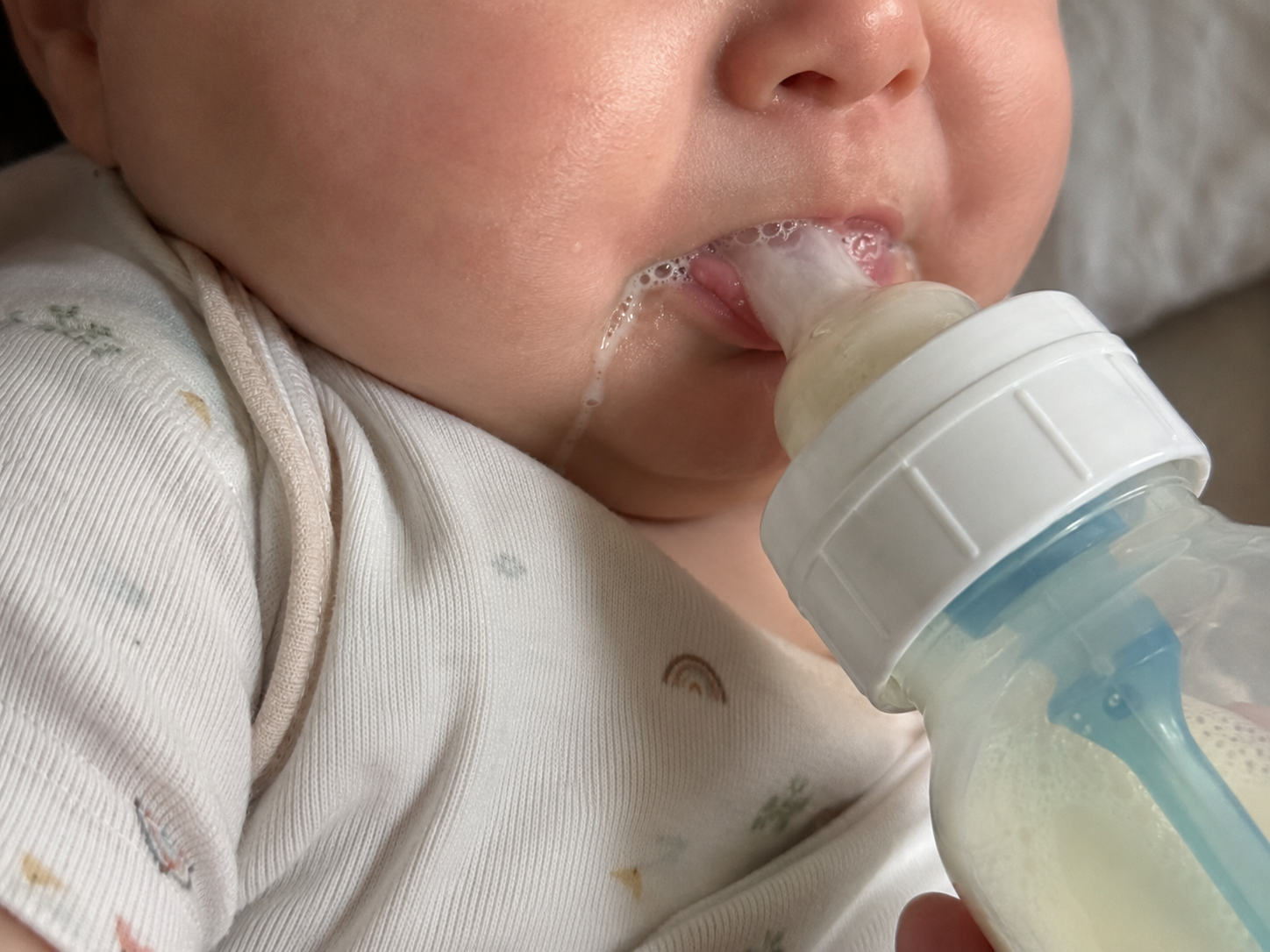
Clicking is the first sign the nipple seal is breaking
At first the clicking sounds like a harmless quirk. But that click is the seal around the nipple breaking and reforming.
Every break costs your baby their grip. Milk escapes the corner of their mouth and they have to find the nipple again. That's why clicking always comes with the same three things: a wet chin, frantic sucking, and slipping off the bottle.
2
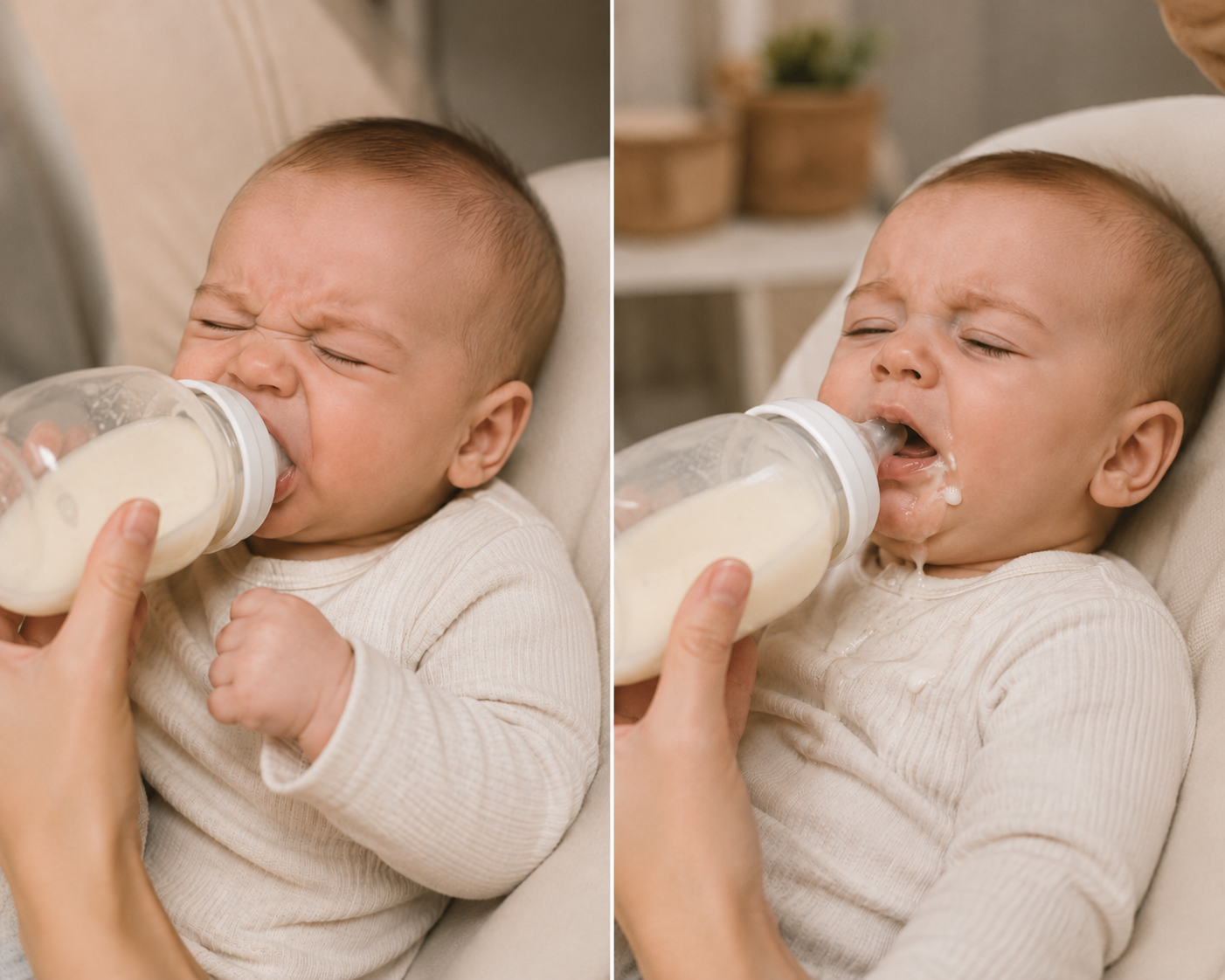
Changing the flow swaps one problem for another
A slower nipple fixes the pace, but your baby has to suck harder through a nipple they were already struggling to hold, so they lose the latch and pull away before they've finished.
A faster one ends the effort, but the milk arrives quicker than they can swallow, so they gulp, cough, leak, and let go to catch their breath.
One stage makes your baby fight to get the milk. The next makes them fight to keep up with it. Neither one touches the actual problem: the seal.
3
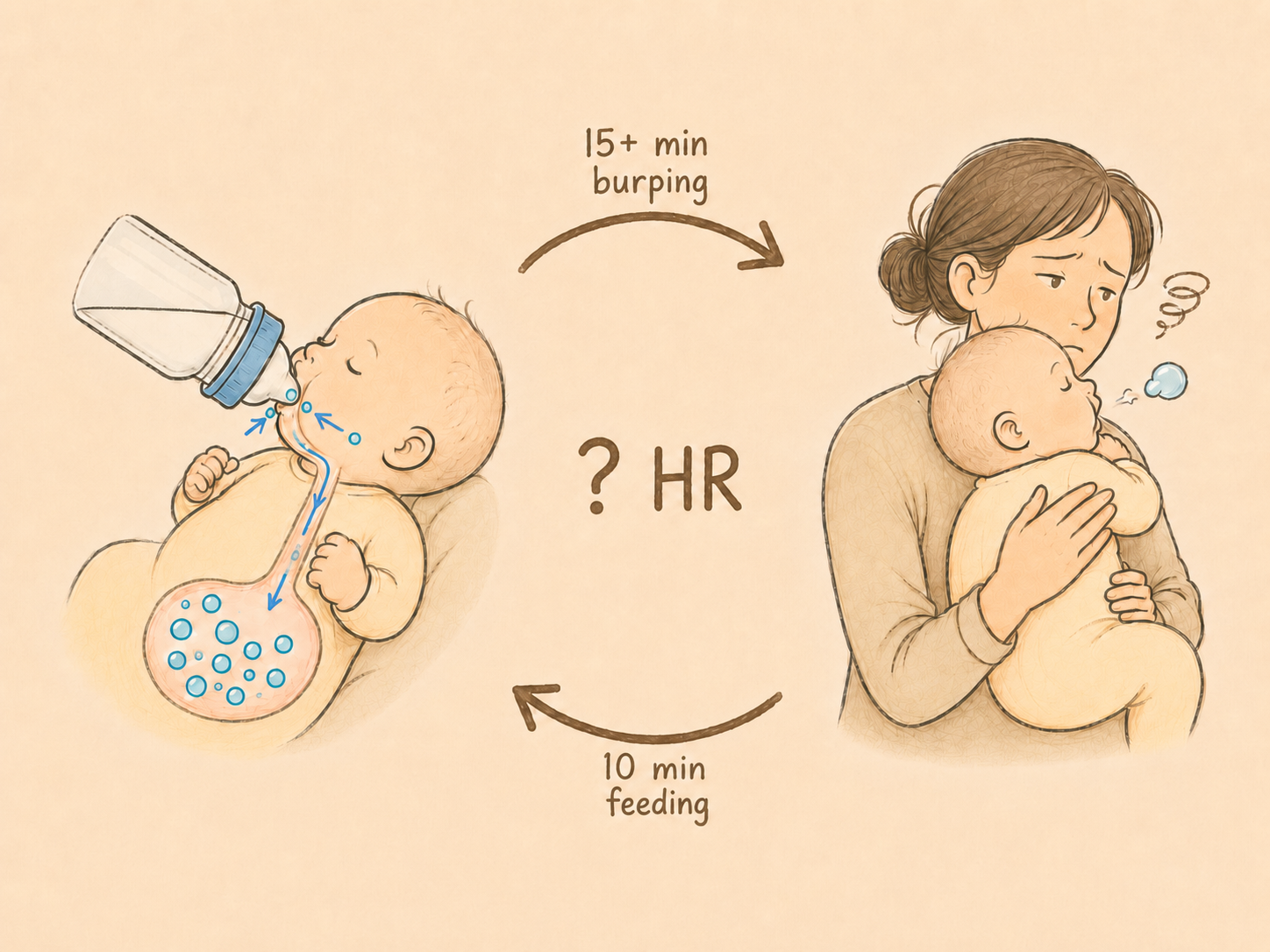
More burping can't fix a feed that keeps putting the air back in
You already burp constantly. Sometimes it helps, briefly. Then the bottle goes back in, the seal breaks in the same place, and the next stretch of clicking puts the air straight back.
That's how a ten-minute bottle becomes an hour, every few hours, until you can't tell whether the next cry means hunger or trapped air.
You're not failing at burping. For 30 years the industry hasn’t updated the outdated vent and valve systems that only work for the babies that could tolerate awkward nipple shapes. For most other babies, a broken latch puts air in faster than they can get it out.
4
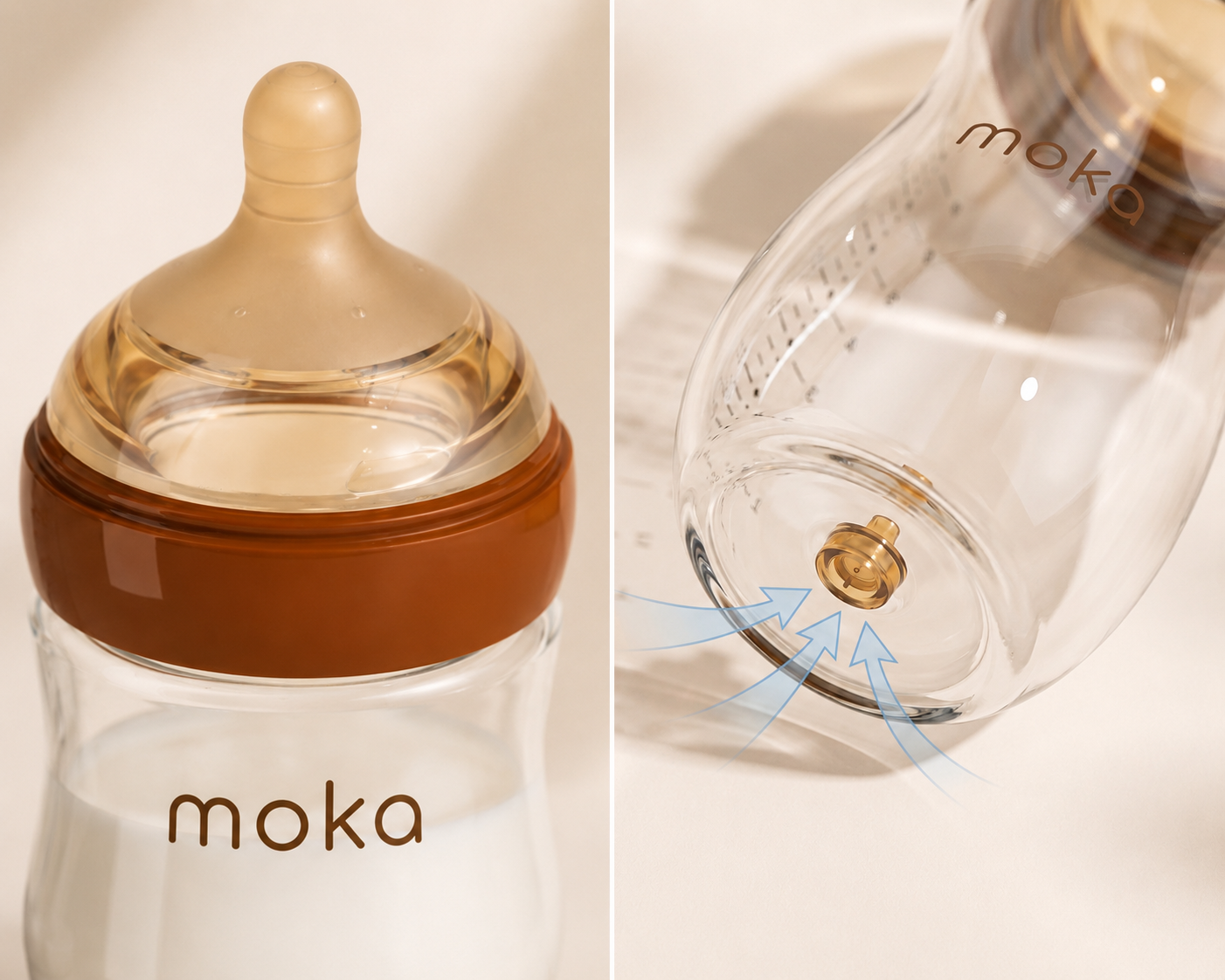
Why Moka couldn't just be another anti-colic bottle
Dozens of nipple shapes, widths and angles were tested by the team to find the one all babies could hold for a full feed: a wider base and a 15° natural feeding angle in ultrasoft platinum-cured silicone, so your baby draws the nipple deep into the mouth in the most natural way possible.
You’ve heard that before though, and here’s why Moka’s different: Five laser-precise flow stages match the pace to how your baby actually feeds, and an integrated bottom vent lets air return through the base, so the flow stays steady without all the unnecessary extra parts.

5
How over 5,000 parents stopped waiting for the next feed to fall apart
The same reports have kept arriving since Moka’s first lab tests in Zurich.
The clicking settled inside the first few feeds. Bottles got finished in one stretch instead of four. Babies who had already refused two or three other nipples still took to Moka's wide, softly angled shape.
Fewer stops to burp. Less waiting for air that never comes up. More than 5000 parents who finally stopped dreading the feed and started enjoying it with their baby.
6
The one bottle you can test without another gamble
Waiting doesn't change tomorrow's feeds. Trying another bottle just risks another letdown, so the team decided to carry that risk instead of you.
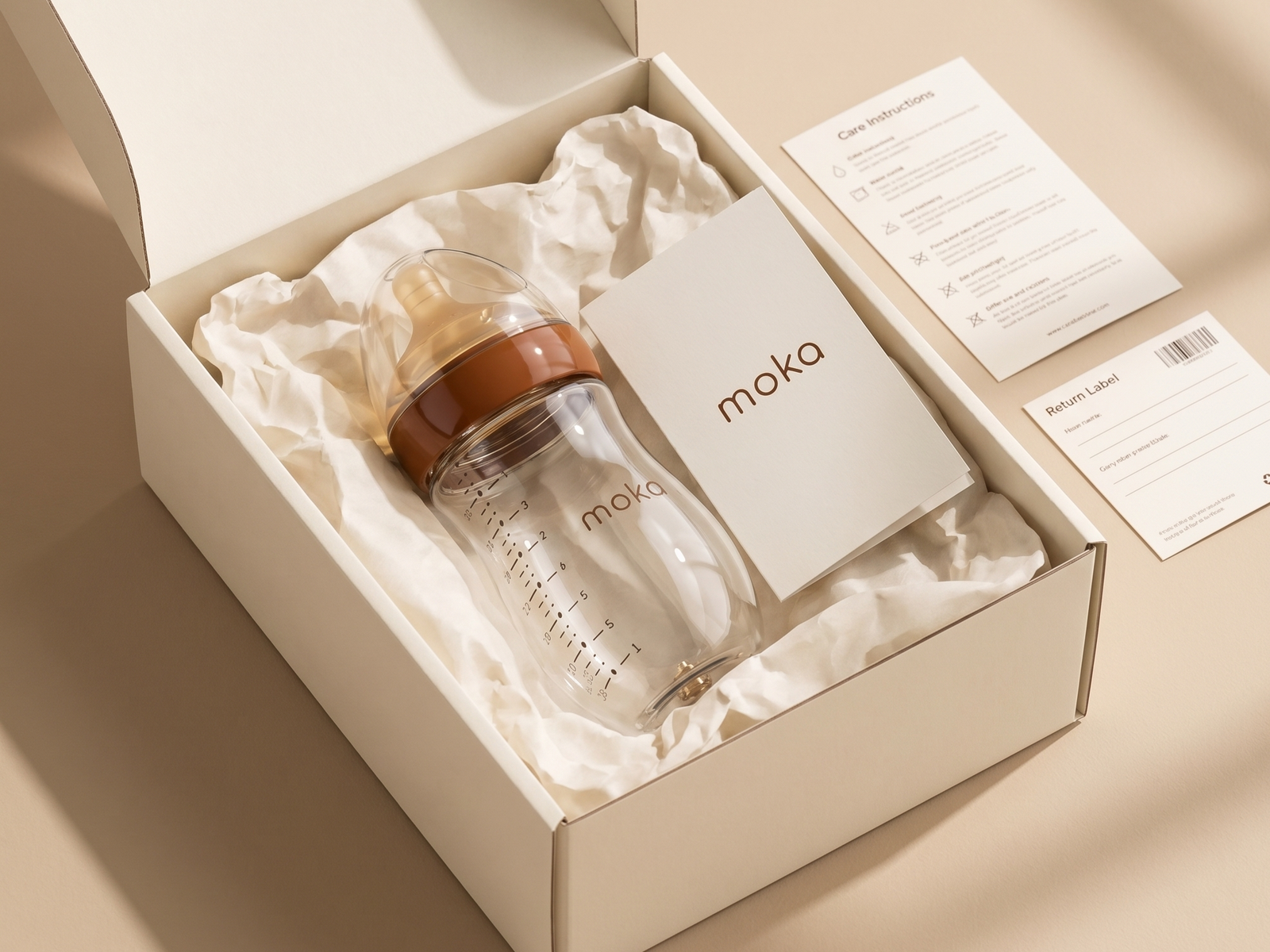
Every order is protected by a 90-day money-back guarantee that covers a full flow-stage change. If the clicking and the burping stops haven't changed, the pre-filled return slip is already in the box.
Worth knowing: Moka is made in limited runs because the borosilicate glass and platinum-cured silicone are made to order and the team won't swap in cheaper substitutes. After each batch sells out, the next is usually six to eight weeks away.
But more than 5,000 families have made the switch, and haven't gone looking for another bottle since.
Ready for a Better Seal and Calmer Feeds?
Check Stock AvailabilityWhat Moka parents are saying
Real product feedback from families who have tried Moka.